The identity of the United States has long been forged by its labor force. Yet the story of the American working class is not a static timeline of steady progress; it is a cyclical tug-of-war between workers seeking dignity and economic structures that prioritize profit. To understand the friction in today’s modern economy, we have to look back at the eras that shaped the concepts of the weekend, the living wage, and workplace safety.
1. The Pre-Union Era: Industrial Exploitation and Daily Survival
Source: Minnesota Historical Society / Corbis via Getty Images
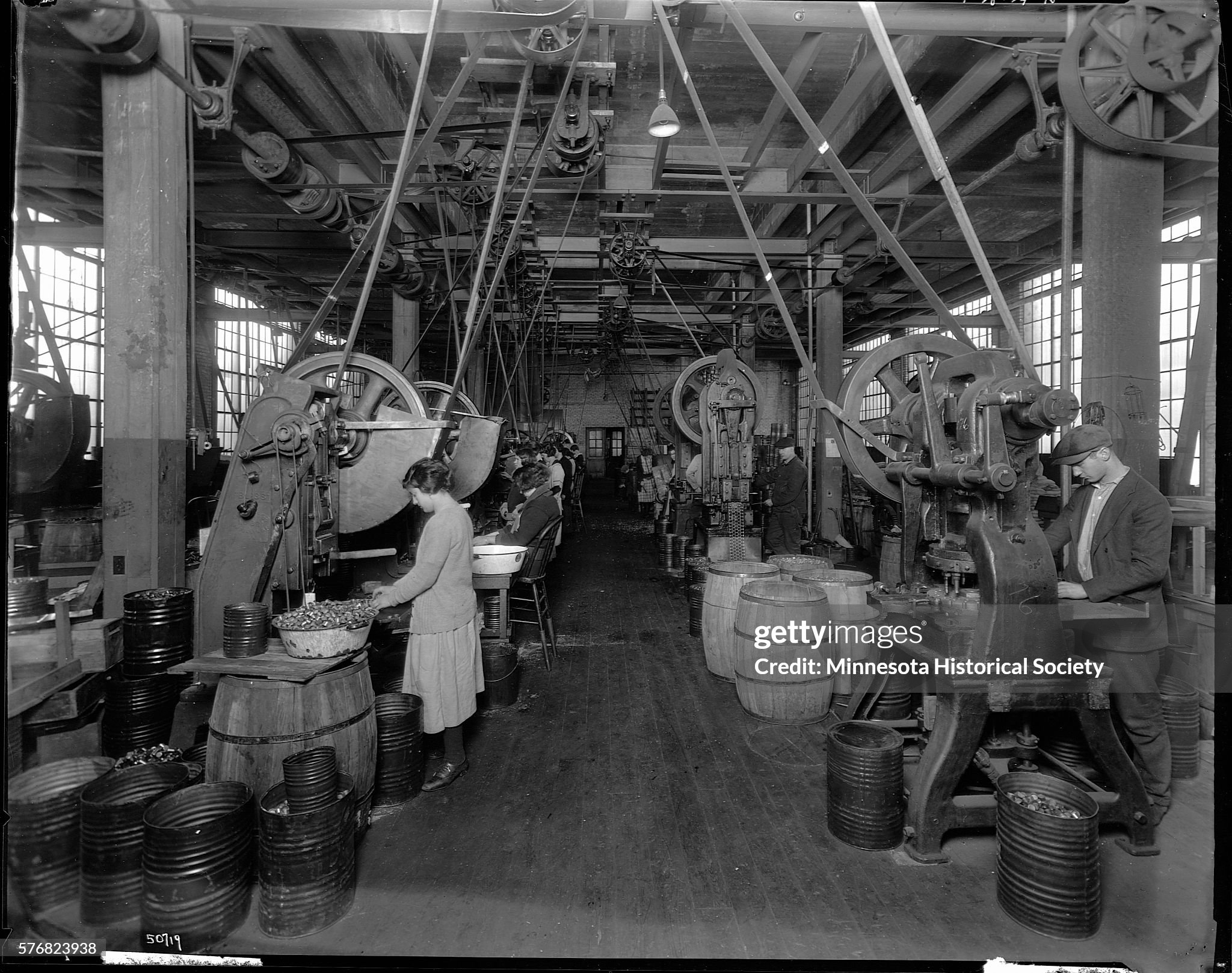
Before the widespread rise of organized labor in the late 19th and early 20th centuries, the life of a working-class American citizen was defined by near-total corporate dominance. The Industrial Revolution shifted millions of laborers from agrarian settings into tightly packed, urban factories.
The Reality of the Pre-Union Workplace
- Crushing Work Weeks: A standard work week ranged from 60 to 84 hours, typically spanning six or seven days.
- Absent Safety Nets: No workplace safety regulations (like modern OSHA standards), no workers’ compensation for injuries, no minimum wage, and no child labor laws existed.
- Extreme Child Labor: Children as young as five or six worked in coal mines and textile mills, earning a fraction of adult wages to help their families survive.
During this era, an on-the-job injury meant immediate termination. The daily struggle was fundamentally about basic survival—keeping a roof over one’s head and food on the table in an economy that viewed human labor as an easily replaceable commodity.
2. The Post-Union Golden Era and Subsequent Fractures
The fierce resistance of early labor movements eventually forced monumental structural shifts. Landmark legislation like the National Labor Relations Act (NLRA) of 1935 granted workers the legal right to organize, strike, and engage in collective bargaining.
The Rise of the Middle Class
Between the 1940s and 1970s, high union density created the classic American middle class. Strong union contracts ensured that a single factory income could buy a home, support a family, and guarantee a secure retirement pension.
The Post-Union Fractures and Pushback
However, this era introduced a new set of challenges:
- Corporate Offshoring: As unions successfully raised wages, corporations began moving manufacturing facilities overseas to developing nations with cheap, unregulated labor.
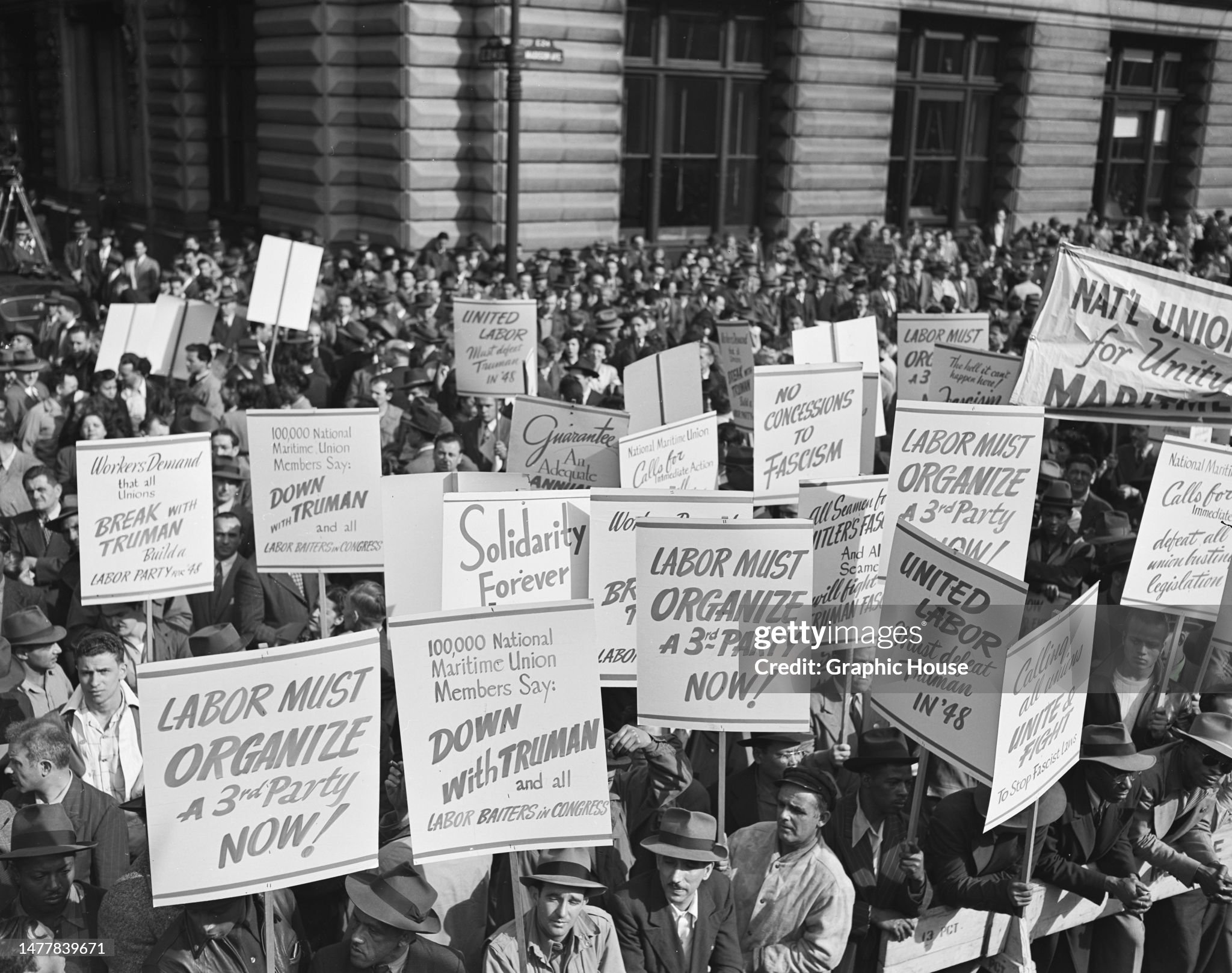
- Legislative Resistance: The passage of the Taft-Hartley Act of 1947 weakened union power by allowing states to pass “right-to-work” laws.
What is “Right-to-Work”? These laws prohibit agreements between employers and unions that require employees to contribute toward the costs of union representation as a condition of employment. While proponents argue it protects individual worker freedom, critics point out that it financially weakens unions, reducing their capacity to bargain effectively for higher wages and benefits.
3. Today’s Working Class: The Modern Landscape
Today, the definition of the working class has expanded far beyond the factory floor. It encompasses retail associates, warehouse fulfillment workers, delivery drivers, and hospitality staff.
| Era | Average Work Week | Primary Economic Risk | Key Labor Standard |
|---|---|---|---|
| Pre-Union | 60–84 Hours | Catastrophic workplace injury or starvation | None |
| Post-Union Peak | 40 Hours | Factory closures and offshoring | Pension, healthcare, weekend |
| Modern Era | Variable / Gig-dependent | Stagnant real wages vs. inflation | Gig-classification loops |
While automation and corporate consolidation continue to squeeze traditional jobs, the contemporary worker faces a fragmented economy. The erosion of traditional pensions, skyrocketing healthcare costs, and the rise of the “gig economy” mean that modern workers often balance multiple jobs without a baseline safety net.
4. The New Class Struggles: The Interplay of Modern Labor Dynamics
The current labor environment features a complex intersection of corporate pressure, anti-union legislation, and shifting demographics.
“Right-to-Work” and Anti-Union Strategies
Large corporations frequently deploy extensive resources to deter union organizing campaigns. By using sophisticated legal frameworks, mandatory captive-audience meetings, and leveraging state-level “right-to-work” protections, companies have successfully kept private-sector union density near historic lows.
The Dynamic of the Informal Labor Sector
Simultaneously, a complex economic reality has emerged involving undocumented labor. Across sectors like agriculture, construction, and hospitality, a parallel workforce operates largely outside formal legal protections.
This environment introduces distinct challenges for the broader working class:
- Vulnerability to Exploitation: Lacking legal standing, undocumented workers face a high risk of wage theft, sub-minimum compensation, and unsafe working conditions, as they cannot safely report violations to regulatory agencies.
- Wage Compression: When employers utilize an under-the-table workforce to bypass standard labor costs, it creates downward pressure on wages within those specific sectors, making it more difficult for domestic working-class citizens to secure competitive pay and fair working conditions.
Rather than positioning workers against one another, labor historians increasingly view this dynamic as a structural issue. When policy choices leave a segment of the workforce unprotected, it creates a mechanism that can be used to lower employment baselines across entire industries.
Key Takeaway for the Modern Reader
From the dangerous factories of the 19th century to the algorithmic management of modern fulfillment centers, the core objective of the working class has remained consistent: securing fair compensation, safe conditions, and economic stability. Understanding this history highlights that the labor dynamics we see today are part of a long-standing, evolving conversation about the value of human work.
Join the Conversation!
If this deep dive into the history and hurdles of the American labor force resonated with you, let’s keep the dialogue going. Like this post, share it with friends or colleagues who love history and economics, and subscribe to the rlfleming.com blog so you never miss an insightful update! Let us know your thoughts in the comments below.
...Share your thoughts