Somewhere off nearly every interstate exit sits a building that looks unremarkable from the outside — fuel pumps, a diner sign, a lot full of idling rigs. Step inside, though, and you’ve entered one of the last true melting pots in the country: the truck stop.
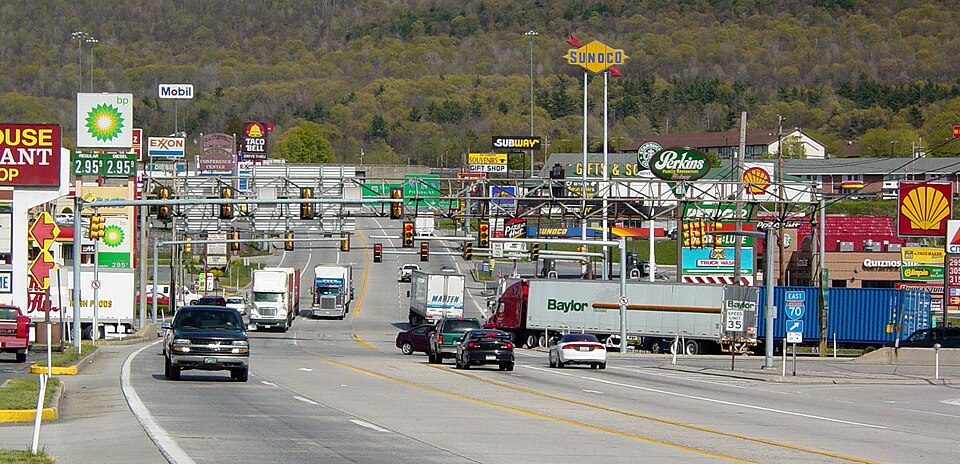
Truck stops run on their own information economy. Which ones have real showers, and which ones you should skip. Which waitress remembers your order after one visit. Which lot lets you park overnight without hassle. This intel gets passed driver to driver, biker to biker, like a folk tradition nobody bothered to write down because it didn’t need to be.
Here, a long-haul driver from Ohio sits three stools down from a touring bassist grabbing coffee before a nine-hour drive to the next gig, who’s next to a group of bikers comparing notes on the best route through the mountains before a storm rolls in. Nobody asks what you do for a living or what your politics are. The only currency that matters is respect and a working knowledge of Road Code.
The diner counter itself deserves its own tribute — home-style meals cooked fast for people with schedules that don’t bend, servers who’ve heard every road story imaginable and still listen like it’s the first time.
Truck stops don’t get much credit as cultural institutions, but they might be one of the purest expressions of American road life left — unpretentious, functional, and quietly full of community for anyone willing to notice it.
Leave a Reply